







The Transformation of Scent Marketing into Strategic IEQ
The era when scent marketing was synonymous with an overwhelming cloud of perfume at the store entrance is definitively behind us. According to scent expert Jeroen de Rijke, 2026 marks a fundamental tipping point: scent is shifting from a ‘luxury detail’ to an indispensable building block within Indoor Environmental Quality (IEQ).
From Gimmick to Strategic Instrument
In modern building strategy, scent is now mentioned in the same breath as lighting, acoustics and air quality. This radically changes the demands of Facility Managers, HR directors and property owners. It is no longer about subjective preferences (“What smells nice?”), but about objective results: “How can we use scent to increase safety, reduce stress and improve cognitive performance?”
Scent is no longer a gimmick, but a strategic instrument. These are the five defining trends for 2026, supplemented with the technical and business rationale you need.
The 5 Defining Scent Trends for 2026
Trend 1: Quiet Luxury & Olfactory Safety
The time of heavy, perfume-rich scents is over. The future is subtle, pure and professional. At Zaluti, we call this Silent Architecture: scent that is not dominantly present but immediately evokes a feeling of calm, hygiene and quality in the background.
What does quiet luxury smell like?
The palette of 2026 is minimalistic and refined:
• Transparent musks: Provide a skin-like familiarity.
• Mineral freshness: Abstract notes of stone, rain and ozone air.
• Soft, light woods: A stable base without heaviness.
• Skin scents: Warm, natural softness barely perceived as “perfume.”
Why this trend works
In an inclusive work environment, Olfactory Safety is essential. Neutral, clean scent profiles:
• Are widely accepted by employees and visitors.
• Immediately create a fresh and professional impression (the “new car” effect for buildings).
• Cause fewer or no complaints among scent-sensitive individuals.
The new norm for 2026 is clear: one scent that feels comfortable for everyone in the same space.

Trend 2: Cognitive Support – The New Wellbeing
The sector is moving away from old clichés (“lemon scent reduces typing errors by 54%”) and embracing modern neuroscience. We now understand much more about how scent influences the brain.
The science: The Limbic System
Scent is the only sense that connects directly — without the thalamus — to the limbic system, the centre for emotion, memory, motivation and stress regulation.
What do we know for sure?
Groundbreaking research by the University of California, Irvine (2023) shows that up to 226% improvement in cognitive capacity in older adults through targeted scent enrichment during sleep.
Industry leaders like IFF and Symrise now integrate neuroscientific data directly into fragrance development. The focus is shifting from “smelling good” to “feeling better.” They are developing functional fragrances that improve sleep and reduce stress.
Functional fragrances in practice
Organisations increasingly use scent as a silent HR tool:
• Citrus & Ginger: Energy and alertness in dynamic zones and reception areas.
• Peppermint & Rosemary: Focus in study and concentration rooms (Deep Work zones).
• Lavender & Chamomile: Relaxation in recovery zones and staff rooms.
• Cedarwood / Hinoki: Security and calm in healthcare and hospitality.
Trend 3: Biophilic Design & Multisensory Nature
We spend 90% of our time indoors. Nature is therefore entering the building. Biophilic design is evolving from visual (plants) to multisensory. The brain experiences cognitive dissonance when it sees a plant wall but smells chemical cleaning agents. The sensory experience must be coherent.
Nature as environmental architecture
We create scent concepts that support interior design:
• Petrichor: The smell of rain on dry earth → freshness and relief.
• Moss, earth & forest floor: Calm and grounding.
• Pine needles: Clarity and relaxation (Shinrin-yoku effect).
• Coastal air with minerals: Space and mental clarity.
• Autumn leaf accords: Warmth and security.
When combined with warm lighting, natural materials and soft soundscapes, environments emerge that demonstrably reduce stress and positively influence blood pressure.
Trend 4: Scent Marketing Goes Mainstream – From Healthcare to Public Transport
Professional scenting and odour neutralisation are shifting from ‘nice to have’ to essential.
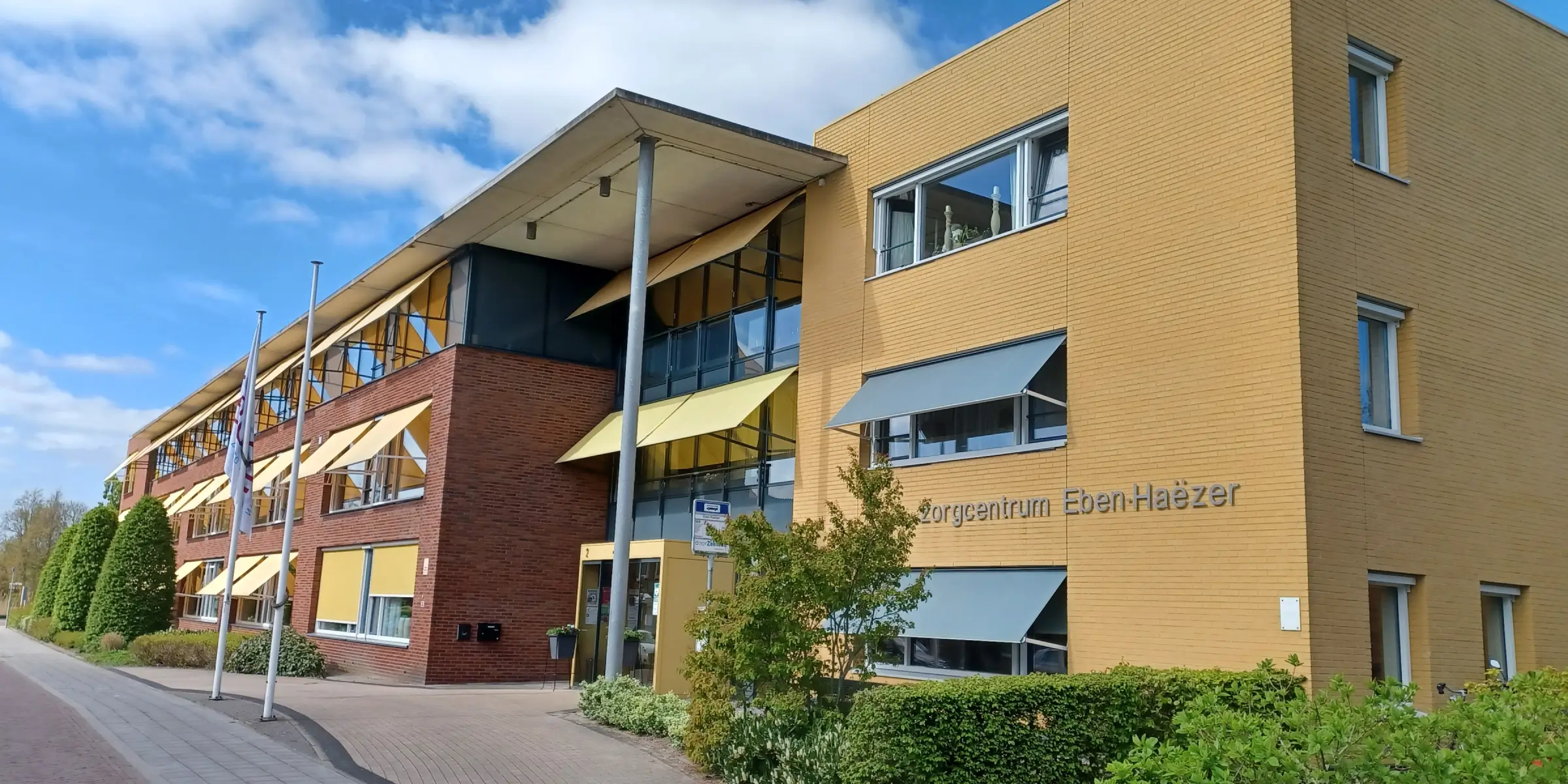
Healthcare: From clinical to boutique hotel
Warm, soft scents help to:
• Reduce anxiety in waiting rooms.
• Make treatment rooms more accessible and less intimidating.
• Support employees during demanding shifts.
Education: Hygiene & Concentration
Schools and universities use scent to:
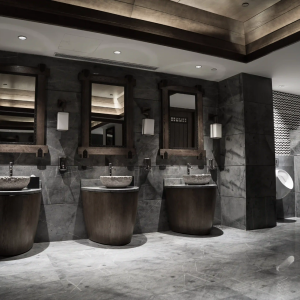
• Create fresh, hygienic sanitary facilities.
• Support a “clean and clear” atmosphere in busy classrooms.
• Improve focus in exam and study halls.
Public Transport & Public Spaces: Safety & Comfort
In stations, garages and trains, scent solutions:
• Reduce the perception of unpleasant odours.
• Strengthen the sense of safety (clean = safe).
• Improve comfort while travelling.
Trend 5: Upcycled & Compliant – The New Standard
The idea that “100% natural is always better” is outdated. Many natural oils contain allergens requiring extensive labelling. Some materials, like sandalwood, have too large an ecological footprint.
Upcycled Ingredients
The 2026 sustainability standard includes:
• Fragrance from residual streams: Orange pulp, wood chips, etc.
• Lower ecological impact: Reuse instead of resource harvesting.
• Unique olfactory profiles: Creative, story-rich scents.
Biotechnology as a driver
Biotechnological molecules:
• Provide stability
• Enhance safety
• Solve scarcity issues
• Reduce environmental impact
IFRA & EU Regulations
In 2026, compliance is mandatory:
• IFRA 51st Amendment
• 82 mandatory allergen labels by July 2026
• Transparency requirements for professional scent systems
Technology: How Professional Scent Diffusion Works
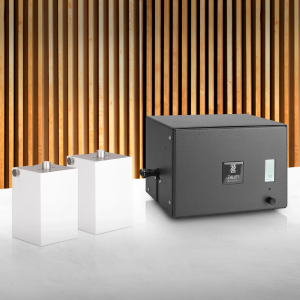
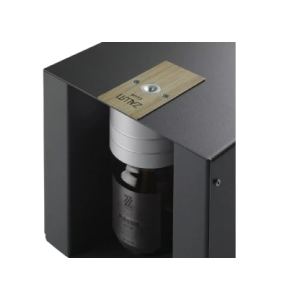
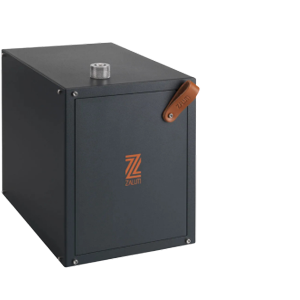
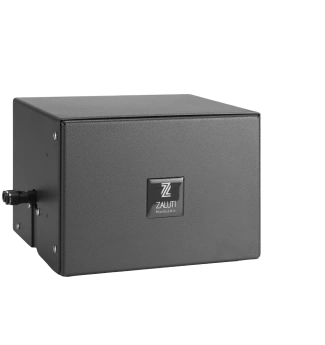
The industry standard is Cold Air Diffusion, replacing outdated aerosol systems.
• Nano-mist: Ultra-light particles that float rather than settle.
• HVAC integration: Ideal for large buildings and invisible implementation.
• Smart dosing: Highly efficient, low consumption, adjustable by Bluetooth.
Business Case: What Are the Benefits?
• Customer satisfaction (NPS): Significant improvement in retail and hospitality.
• Cleaning perception: Fewer complaints when restrooms and entrances smell fresh.
• Wellbeing: Lower stress levels and higher workplace appreciation.
Scent Marketing Has Matured
The 2026 trends make one thing clear: scent marketing has evolved into a strategic and technical discipline within modern building quality.
If you want to use scent strategically in 2026, the question is no longer whether — but how professionally you approach it. If you’d like help translating these trends into a concrete scent plan for your organisation, we’re happy to advise you personally.